 EN

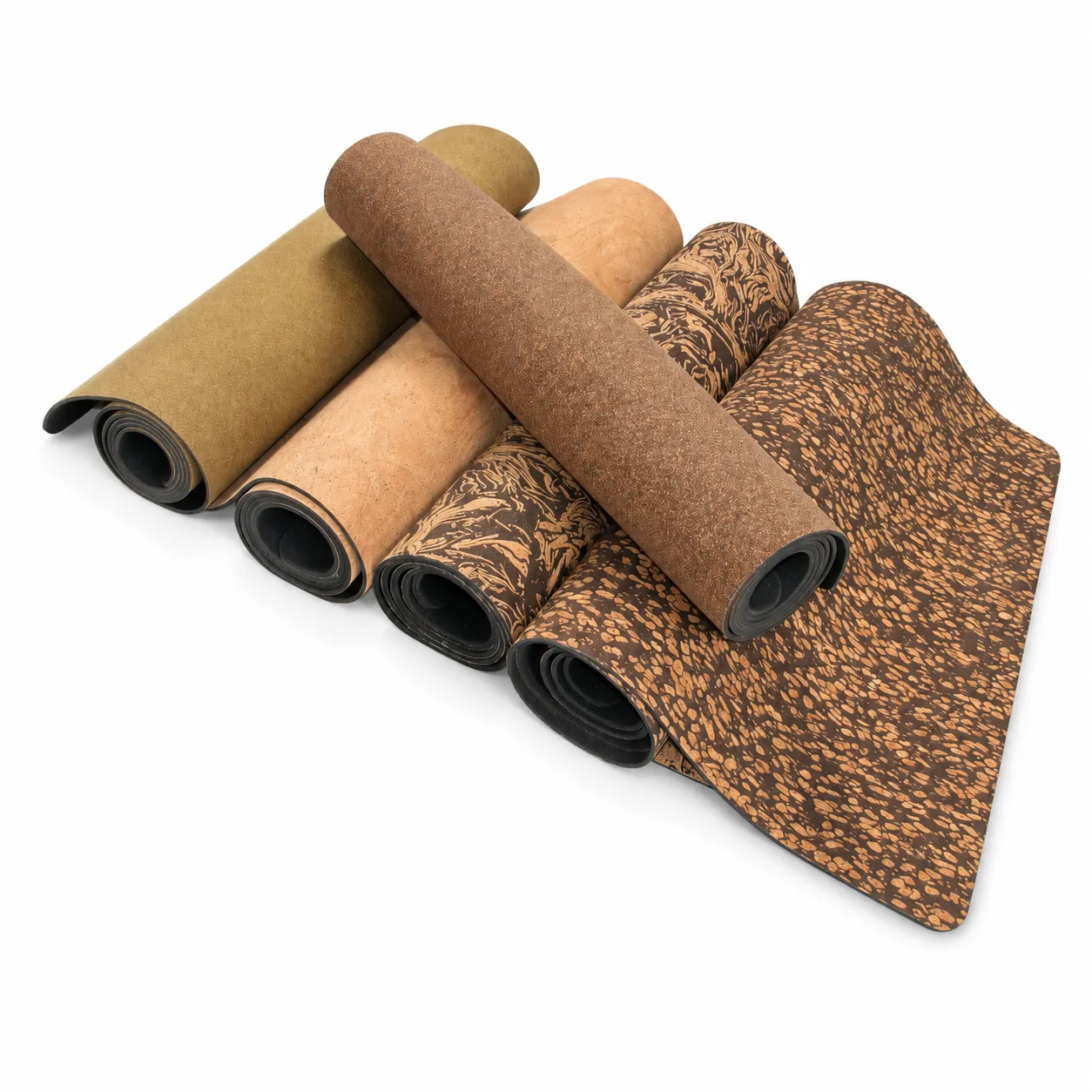
Daily Cleaning and Sweat Management for Optimal Cork Yoga Mat Performance
Gentle Wipe-Down with pH-Balanced Cleaners
After each session, wipe your cork yoga mat thoroughly with a clean, damp microfiber cloth. Use a pH-balanced cleaner—or just a few drops of mild, natural soap diluted in warm water—to gently lift sweat, oils, and skin residue without compromising the cork’s integrity. Never spray directly onto the mat; instead, apply the solution to the cloth to control moisture exposure. Use long, light strokes—especially over the top and bottom thirds where hands and feet make repeated contact—as these zones accumulate oils and dead skin fastest. Rinse the cloth frequently and continue wiping until no visible residue remains. Let the mat air dry completely before rolling. While plain water suffices for light sweat, a pH-balanced formula is safer for consistent removal of salt and oils without degrading cork fibers. Consistency—not intensity—is key to preserving grip and longevity.
Controlling Sweat and Oil Buildup to Preserve Natural Grip and Durability
Sweat contains salt, ammonia, and sebum that, when left to dry on cork, can dull its natural traction and accelerate surface degradation. Paradoxically, light moisture enhances grip—so a completely dry mat may feel slippery. During hot or intense practices, keep a small spray bottle of clean water nearby and mist the surface lightly as needed to restore traction; always follow up with a gentle wipe-down afterward. Heavy sweaters benefit from placing a thin cotton towel over high-contact areas to absorb excess moisture before it penetrates the cork. Avoid letting sweat pool or sit for extended periods: salt crystals can embed into the pores and gradually roughen the surface. Likewise, skip oily lotions or balms on hands and feet before practice—they clog cork’s micro-pores and hasten oil buildup. A quick pre-practice rinse removes surface oils and supports long-term performance with minimal effort.
What to Avoid: Substances and Practices That Damage Your Cork Yoga Mat
To extend the life of your cork yoga mat, avoid cleaning products and habits that strip its natural protective layer or weaken its structural integrity.
Why Alcohol, Vinegar, Bleach, and Direct Sunlight Degrade Cork Fibers
Cork’s resilience comes from suberin—a waxy, hydrophobic compound that repels moisture and supports grip. Harsh chemicals compromise this barrier. Alcohol and bleach, common in many disinfectants and commercial yoga mat sprays, dissolve suberin and leach natural oils, leaving cork dry, brittle, and prone to flaking. Vinegar poses a different but equally real risk: its acidity disrupts cork’s natural pH balance and can erode the porous surface over time—even when diluted. Strong acids may also weaken the binders holding cork granules together. Direct sunlight compounds these issues. UV exposure accelerates oxidation, causes uneven shrinkage, fades color, and degrades both cork fibers and the adhesive bonding the cork layer to its rubber base. Heat from sun exposure may even warp the mat’s shape. For post-studio hygiene, skip harsh agents entirely—plain water or a pH-balanced cleaner is almost always sufficient. Always dry your mat away from windows and heat sources.
Risks of Submersion, Machine Washing, and Abrasive Scrubbing
Never soak your cork yoga mat in water or place it in a washing machine. Prolonged submersion causes cork to swell and detach from its backing, while trapped moisture invites internal mold and mildew—difficult to detect and nearly impossible to fully eliminate. Machine washing subjects the mat to mechanical agitation and high-speed spinning, which can tear the cork layer, distort its shape, and permanently damage adhesives. Similarly, abrasive scrubbing with stiff brushes or rough pads scratches the surface, wears down natural grip, and loosens the bond between cork and base. Never wring or twist the mat after cleaning—it stresses seams and forces moisture deeper into layers. Instead, lay it flat or drape it over a rounded drying rack. Clean only with a soft cloth and gentle, circular motions to remove debris without compromising material integrity.
Air-Drying and Moisture Control to Prevent Mildew and Delamination
Ideal Air-Drying Conditions: Time, Ventilation, and Surface Placement
Always air-dry your cork yoga mat fully before rolling or storing. Residual moisture creates an ideal environment for bacteria and mold—and more critically, traps humidity between the cork and rubber layers, weakening adhesives and increasing delamination risk. In a well-ventilated room at 20–25°C (68–77°F), a lightly wiped mat typically dries in 1–2 hours; deeper cleaning may require 4–6 hours. Hang the mat over a rounded bar or lay it flat across a wide drying rack—avoid sharp edges that could crease or crack the cork. Keep it away from direct heat and sunlight to prevent uneven drying and fiber brittleness. If indoor humidity exceeds 60%, use a fan or dehumidifier to promote airflow and accelerate evaporation. Before rolling, confirm both the cork surface and underside feel completely dry to the touch—and always roll cork-side out. This routine prevents musty odors, preserves grip, and significantly extends service life.
Long-Term Storage and Periodic Deep Care for Your Cork Yoga Mat
Cork-Side-Out Rolling and Climate-Stable Storage Guidelines
After every session, allow your mat to air dry fully before storage. For long-term use, roll it cork-side out to minimize compression stress on the cork layer and reduce the risk of cracking or flaking along fold lines. Store the rolled mat in a cool, dry, well-ventilated space at stable room temperature—avoid attics, basements, garages, or areas exposed to permanent direct sunlight or high heat. These environments accelerate drying, brittleness, and adhesive failure. If the mat has seen heavy use, unroll it briefly at home to release any trapped humidity before re-rolling. Never store under heavy weights or inside sealed plastic bags: both trap moisture and invite mildew. Consistent climate-stable storage maintains cork’s suppleness, grip, and structural cohesion over time.
When and How to Deep Clean a Cork Yoga Mat Safely
Deep clean your cork yoga mat weekly if you practice daily; biweekly is sufficient for 2–3 sessions per week. Mix a small amount of mild, non-toxic soap with warm water. Dip a soft cloth or sponge into the solution, then wring it thoroughly—damp, not wet. Gently wipe the entire cork surface using circular motions, then follow with a second pass using a clean, damp cloth to remove all soap residue. Lay the mat flat in a well-ventilated area and let it air dry completely before rolling. Avoid bleach, chemical disinfectants, submersion, and machine washing—they strip suberin, degrade grip, and compromise antimicrobial properties. This simple, low-risk deep-care habit sustains performance, hygiene, and longevity without demanding extra time or tools.
FAQ
How often should I clean my cork yoga mat?
For daily use, clean your cork yoga mat lightly after each session and deep clean it weekly. For less frequent use, deep cleaning every 2–3 weeks is sufficient.
Can I use vinegar or bleach to clean my cork yoga mat?
No, it is not recommended to use vinegar, bleach, or other harsh chemicals. These substances can degrade cork’s natural protective layer and compromise its long-term durability.
Is it safe to submerge the cork yoga mat in water?
No, you should never submerge a cork yoga mat in water, as it can lead to swelling, detachment, and mildew growth.
Why should I avoid exposing the mat to direct sunlight?
Direct sunlight can cause uneven shrinkage, fade the cork, and weaken the adhesives, leading to a shorter lifespan for your mat.
How should I store my cork yoga mat to ensure durability?
Always roll your cork yoga mat cork-side out and store it in a cool, dry, ventilated space away from sunlight, heat, and humidity to maintain its grip and structure.