 EN

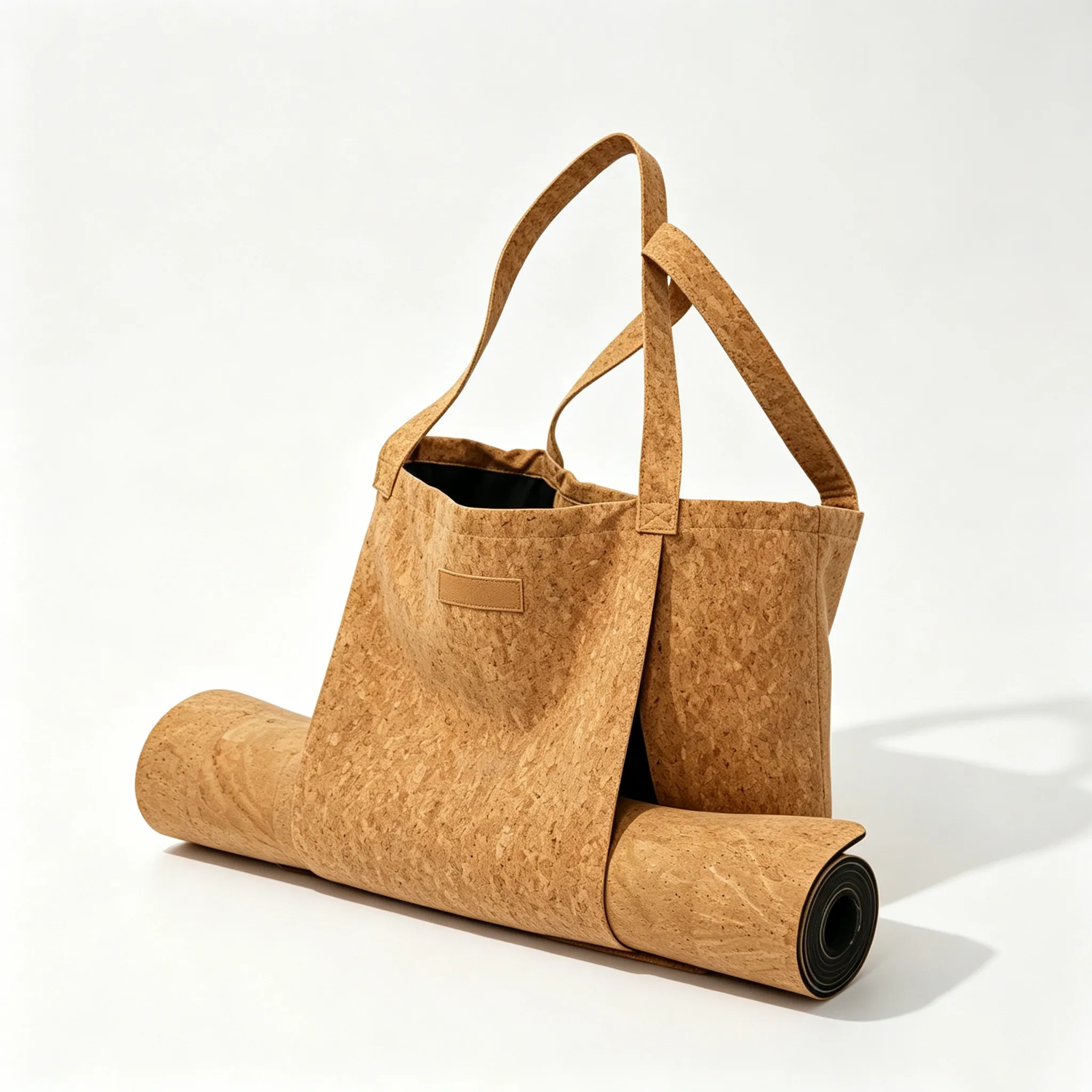
Why Cork Yoga Mat Care Is Unique: Understanding Material Sensitivity
Maintaining a cork yoga mat begins with recognizing it as a living, porous natural material—not a synthetic surface. Its performance and longevity depend on preserving its cellular structure, natural tannins, and moisture-responsive grip.
The Role of Natural Tannins and Micro-Porosity in Durability and Antimicrobial Function
Cork contains natural tannins—polyphenolic compounds that confer inherent resistance to bacteria, mold, and mildew without chemical additives. Combined with millions of resilient micro-pores, this chemistry creates a hygienic, self-regulating surface. Crucially, those pores absorb moisture from sweat, temporarily increasing surface friction—explaining why cork often feels more grippy during hot yoga, not less. But that same porosity invites buildup: skin oils, salts, and dust settle deep into the structure over time. Left unaddressed, residue forms a film that clogs pores, dulls grip, and masks cork’s antimicrobial function. Aggressive cleaning can compress or fracture the delicate cellular matrix. So effective care prioritizes gentleness—protecting both the tannin-rich surface and the moisture-activated traction that defines cork’s performance.
How Sweat, Heat, and UV Exposure Accelerate Degradation Without Proper Maintenance
Sweat delivers water, electrolytes, and lipids that dry into mineral and oil deposits inside cork’s micropores. Repeated exposure causes these residues to harden, weakening the bond between the cork layer and its rubber backing while reducing surface elasticity. Heat accelerates evaporation, prompting faster salt crystallization and deposit formation. Ultraviolet radiation is equally harmful: prolonged sun exposure dehydrates, fades, and embrittles cork, diminishing its ability to absorb moisture for grip. In hot yoga or outdoor practice, these stressors compound rapidly. A mat may appear visually intact while silently losing traction and structural integrity. Prompt post-practice cleaning—and consistent avoidance of direct heat and UV—remains the most reliable defense against premature degradation.
Daily and Post-Practice Cleaning for Your Cork Yoga Mat
A consistent post-practice routine prevents residue from penetrating cork’s porous surface and preserves its natural grip and hygiene. Wipe down the mat within three minutes of finishing your session—before sweat dries and salts begin to crystallize.
Gentle Wiping Protocol: Microfiber + Diluted Vinegar or Witch Hazel (pH 4–5)
Begin with a dry microfiber cloth, wiping the entire surface in one direction to lift loose skin cells and grit. Then apply your cleaning solution to the cloth, not the mat. A 50/50 mix of water and white vinegar—or diluted witch hazel—works effectively because both fall within the pH 4–5 range ideal for cork: acidic enough to dissolve light residue but gentle enough to preserve protective tannins. Spray five to ten times onto the cloth, wring until barely damp, then wipe top-to-bottom. Focus on high-contact zones under hands and feet, but avoid oversaturating. This method removes surface contaminants without compromising cork’s natural chemistry. Never soak the mat. Finish by patting dry with a clean, absorbent cloth before moving to drying.
Drying Best Practices: Air-Dry Flat vs. Hanging — Impact on Edge Curling and Adhesion
Always air-dry your cork yoga mat flat on a non-abrasive, well-ventilated surface. Flat drying distributes weight evenly, maintaining uniform tension across the cork-to-rubber bond and preventing edge lifting or curling. Hanging a wet mat concentrates moisture and stress at one end, encouraging warping and gradual delamination. Allow one to two hours for full surface drying—longer in humid conditions—before rolling. Trapped moisture fosters odor, microbial growth, and adhesive breakdown over time. Position the mat away from direct sunlight and heat sources during drying; slower, even evaporation best preserves texture, flexibility, and long-term adhesion.
Deep Cleaning and Long-Term Preservation of Your Cork Yoga Mat
Frequency Guidelines: Aligning Deep Cleans with Practice Intensity (e.g., Hot Yoga, Studio Use)
A cork mat used two to three times weekly in a cool, controlled studio generally requires a deep clean every two to four weeks. While daily wiping manages surface residue, it cannot extract oils and microbes embedded deep within the micropores. Hot yoga, outdoor sessions, or shared-mat use increase contamination load—justifying weekly deep cleaning. Visible grime, persistent odor, or a tacky film are practical indicators it’s time. For daily hot yoga practitioners, combine diligent post-practice wiping with a full deep clean every seven days. Consistent, moderate intervention sustains antimicrobial function and grip far more reliably than infrequent, aggressive treatments.
Safe Deep-Clean Method: pH-Balanced Solutions, Soft Brushing, and 24-Hour Cure Time
Deep cleaning demands precision—not force. Mix a few drops of non-toxic, pH-neutral liquid soap (or a certified plant-based cleaner) into warm water. Avoid bleach, undiluted vinegar soaks, and harsh disinfectants, which degrade cork and rubber. Dampen a soft sponge or microfiber cloth, wring thoroughly, and gently wipe the surface using small circular motions to lift oils from micropores without abrading tannins. Rinse with clean water, then wipe again with a fresh damp cloth. Lay the mat flat on a dry towel in a shaded, ventilated area—never in direct sun or near heat. Allow a full 24-hour cure time before rolling or reuse. This ensures deep-pore moisture fully evaporates, restoring grip and microbial balance. Rolling while damp risks compression-set cork fibers and weakened adhesives. A very soft-bristle brush may assist on textured zones, but stiff brushes must be avoided entirely.
Proper Storage, Rolling, and Handling to Maximize Cork Yoga Mat Lifespan
A thoughtful storage routine protects cork’s texture, maintains rubber base integrity, and preserves the eco-adhesive bond between layers.
Roll Cork-Side Out to Prevent Compression Damage and Surface Flattening
Always roll your cork yoga mat with the cork layer facing outward. This places gentle, supportive compression on the cork fibers—preserving their natural loft and grip. Rolling cork-side inward stretches the material, creating tension between the cork and rubber base that, over time, may lead to edge bubbling, hairline cracks, or partial delamination. Let the mat air-dry completely in shade before rolling. Store horizontally on a shelf or in a breathable canvas bag—not vertically in corners, where constant pressure on the bottom edge promotes permanent curling or bending. These simple habits maintain surface responsiveness and long-term structural stability.
Avoiding Environmental Hazards: Heat, Sunlight, and Humidity per ASTM D1037-22 Standards
Store your cork yoga mat in a cool, dry, well-ventilated space—away from radiators, windows, bathrooms, and damp basements. Both cork and natural rubber respond poorly to environmental extremes. ASTM D1037-22, the standard test method for evaluating physical and mechanical properties of wood-based panels, includes protocols for moisture absorption and dimensional stability; repeated exposure to high humidity or heat can compromise adhesive bonds and trigger layer separation. Choose breathable canvas over sealed plastic for storage bags. Direct sunlight permanently degrades cork’s cellular integrity and fades its natural tone. Avoid leaving the mat in hot cars or near heating vents—extreme heat softens rubber bases and accelerates aging. A stable environment safeguards flexibility, minimizes edge distortion, and ensures lasting non-slip performance.
FAQs
How often should I clean my cork yoga mat?
A cork yoga mat used two to three times per week in a controlled environment should be deep cleaned every two to four weeks. For daily hot yoga sessions, consider deep cleaning weekly in addition to post-practice wiping.
Can I use regular cleaning products on my cork yoga mat?
No, regular cleaning products may damage the cork’s cellular structure. Use pH-neutral solutions, such as water mixed with vinegar or witch hazel, to gently clean without compromising the mat’s natural tannins and grip.
Why should I roll my cork yoga mat cork-side out?
Rolling the mat cork-side out ensures that the cork fibers maintain their natural loft and minimizes tension between the cork and rubber layers, preventing potential delamination and damage.
Can I leave my cork yoga mat in direct sunlight to dry?
No, direct sunlight can degrade the cork material, fade its natural tone, and compromise its structural integrity. Always dry it in a shaded, well-ventilated area.
How do I store my cork yoga mat?
Store your mat flat on a shelf or in a breathable canvas bag in a cool, dry, and ventilated area to maintain its shape and prolong its lifespan.