Start With the Game Setting
A mahjong mat should match the way it will be used. A retail item, club supply, and event gift may need different sizes, graphics, and packing. Start with the table dimensions. Decide if the mahjong mat should cover the full table or leave a border. Note if the game layout needs extra room around the tiles. These basic points turn a mahjong mat request into a product brief.
Also name the sales channel. A distributor may need a design that fits an existing range. A brand may focus on its logo. A retailer may need simple product facts for shoppers. The goal is to set a clear use case for the mahjong mat before discussing options.
Ask About Construction
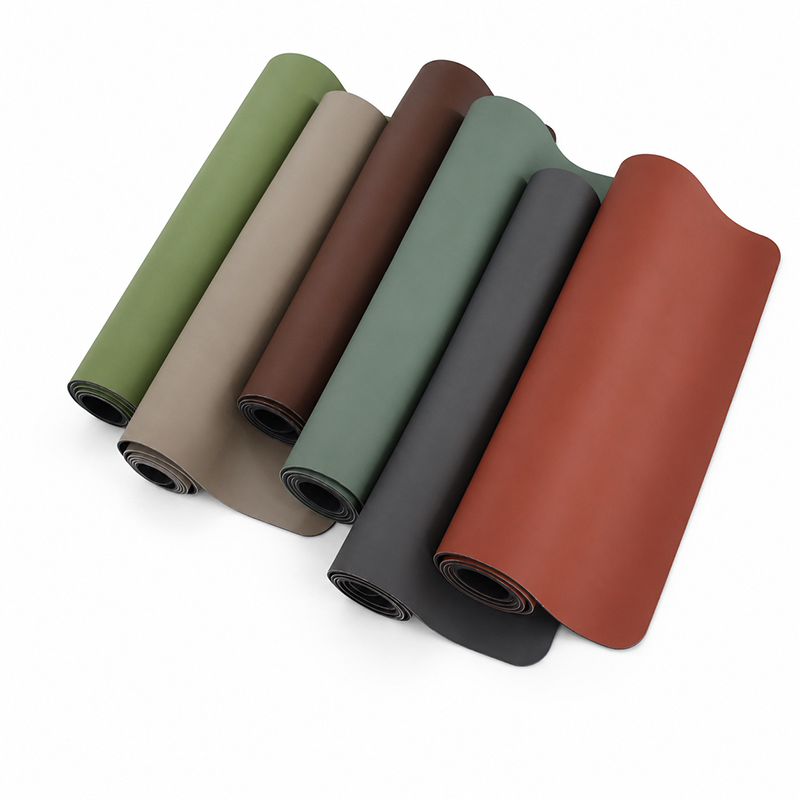
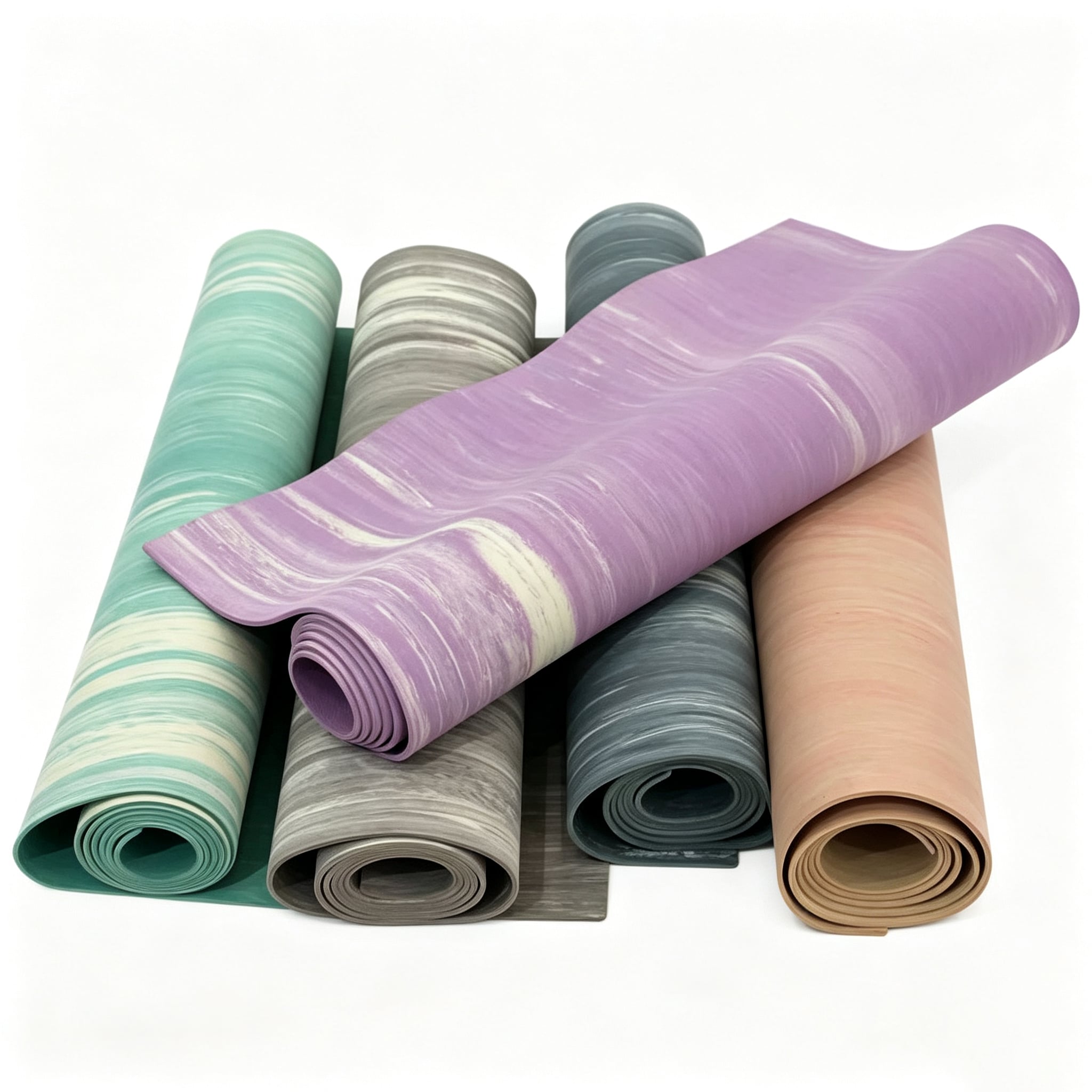
The catalog offers a Custom Mahjong Table Mat with Sublimation Print for Brands. This is the direct reference for a mahjong mat project. It also offers custom shaped and round suede yoga mats, as well as a suede yoga mat with sweat-activated grip. Those products show printed mat formats for other uses. They do not set the construction for a mahjong mat.
Ask what surface and backing are proposed for your mahjong mat. Explain the feel you want during tile play and how the product will sit on the table. Ask for care guidance that matches the confirmed construction. Do not assume that a detail from a yoga product applies to a mahjong mat.
- Give the usable table size and the finished size you want for the mahjong mat.
- Describe how the mahjong mat will be used during a normal game.
- Ask which surface and backing are proposed for the requested mahjong mat.
- Request handling and care guidance for the confirmed mahjong mat construction.
Prepare the Artwork
Artwork can set a custom mahjong mat apart. Prepare a usable file. State where the logo, pattern, border, or game markings should sit. Product 95 names sublimation print, so it is a useful starting point for a print discussion. The supplier still needs to confirm the print process and file needs for your final mahjong mat configuration.
Review the mahjong mat design at the finished scale. Fine lines, small type, and soft color contrast may need extra care. Provide color references when they matter. Ask what file review or proof steps are available. This helps the brand team check the visual plan before it treats the design as final.
Build a Sourcing Brief
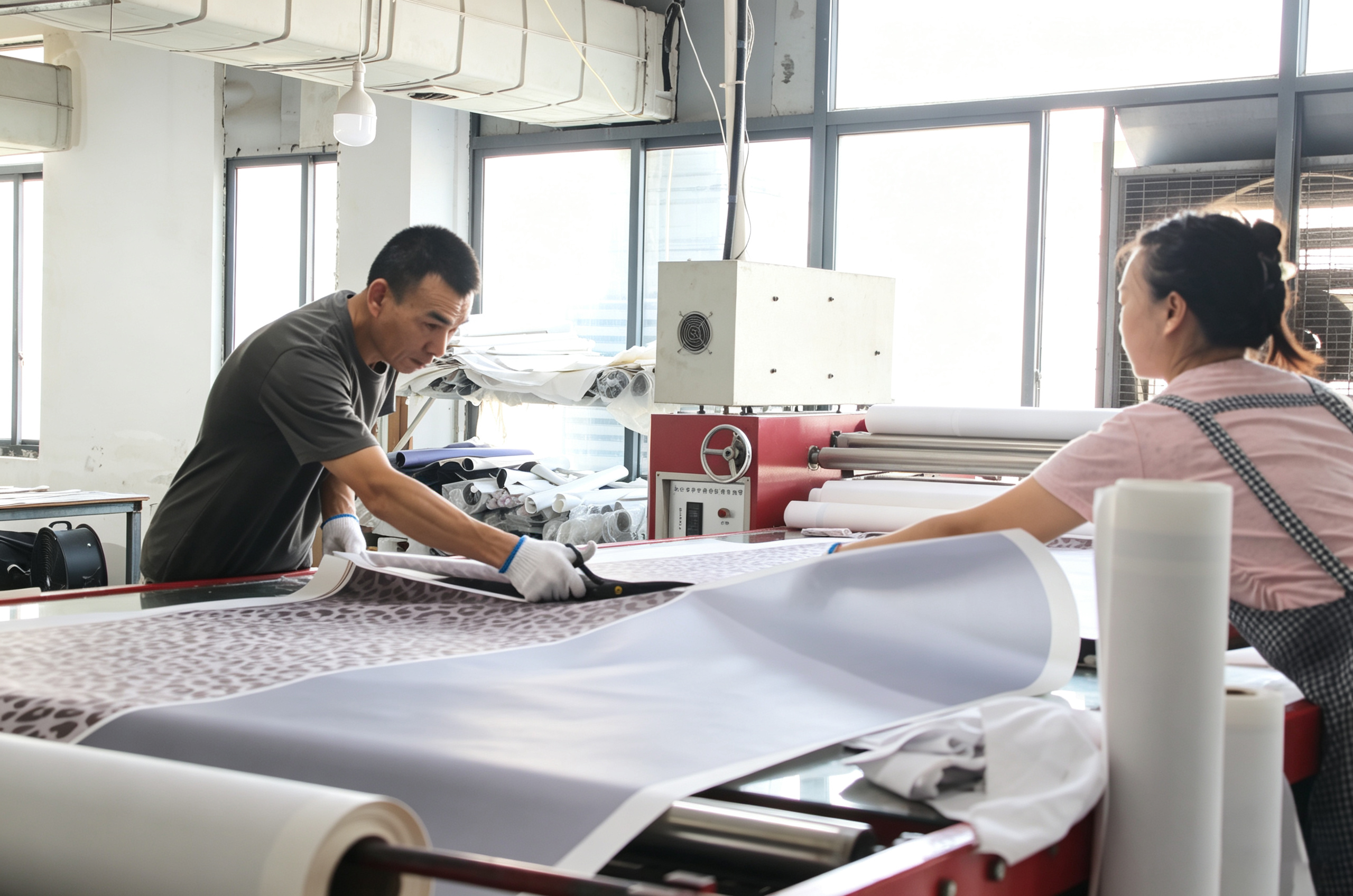
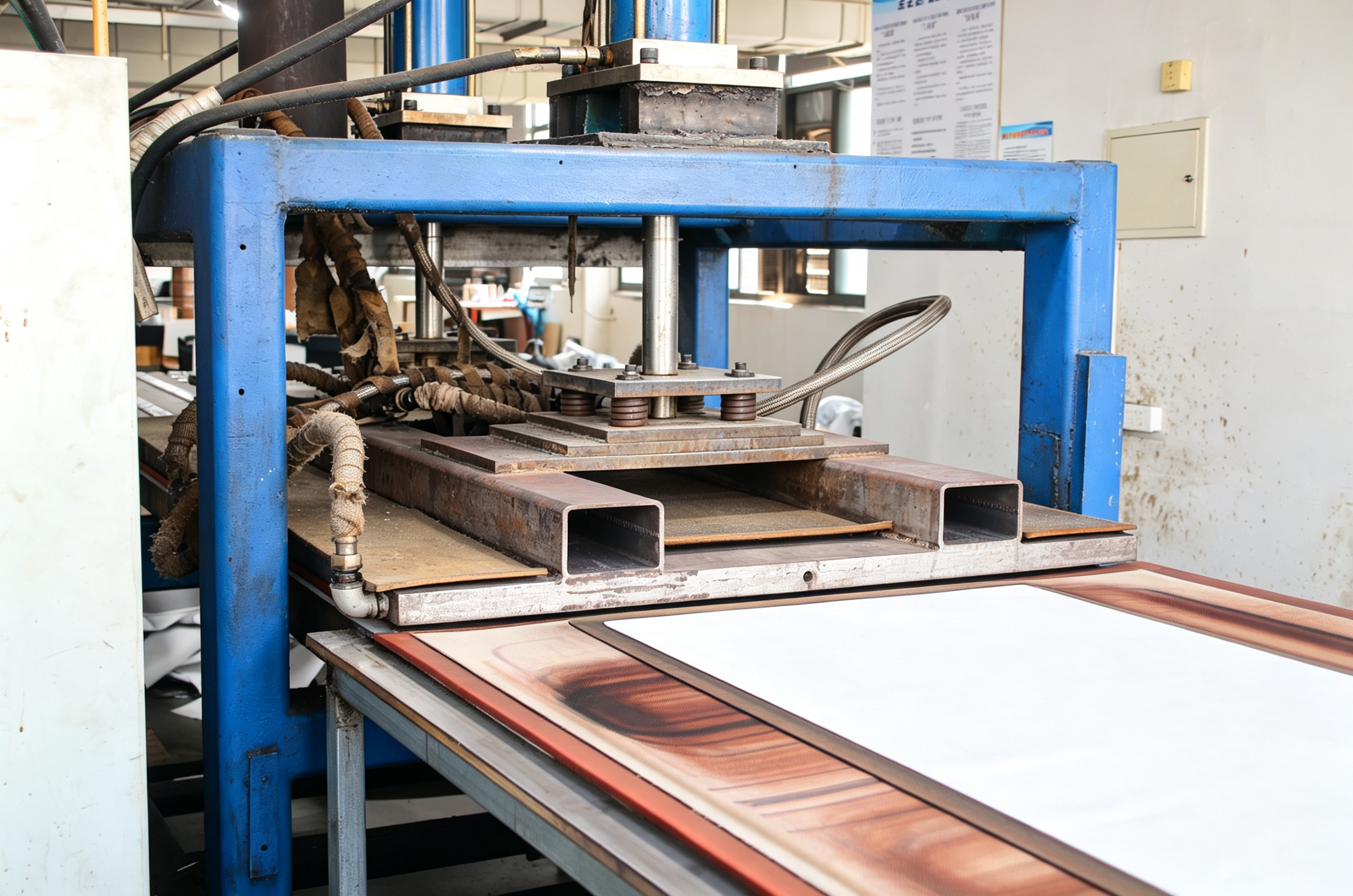
Use the inquiry form to put the main questions in one place. Wenzhou Qiangfeng Technology says it serves global B2B buyers. It supports private-label work, product development, quality inspection, and export packaging. These are useful topics for a mahjong mat conversation. They are not fixed terms for every order.
Tell the team about your market, sales channel, quantity, packaging idea, artwork status, and delivery destination. Ask which options can be confirmed for your mahjong mat. Separate your must-have points from open choices. For example, a buyer may need one size but be flexible about packing. Another may have final artwork but need help with the mahjong mat construction.
Check the Proposed Product
Before you decide, compare the product information with the first brief. Check that the title, size, construction, art layout, and packing notes describe the same mahjong mat. Confirm mahjong mat logo placement and readability if the product carries a brand image. Ask what export-packing details matter for the destination.
Keep a short written checklist. It can cover use, dimensions, proposed construction, print layout, packing, and open questions. This gives the buyer a clear record for the first order and for later mahjong mat reorders. It also keeps the mahjong mat discussion based on real project details rather than assumptions.
 EN