Start With the Game and Table
A game mat factory needs a clear brief before it can discuss the right mat. A game mat factory needs the game type, table shape, player layout, and use place. State the game type, the table shape, the player layout, and the place where the mat will be used. A mahjong table, card table, club room, home game area, and retail gift line can need different sizes and looks. Also state if the mat is a main product, an add-on, or part of a set. This helps set the format before artwork and packing are discussed.
The verified mahjong mat is a useful guide for table work. It has a polyester surface and a natural-rubber base. Its listed square sizes are 60 by 60 cm, 80 by 80 cm, and 83.8 by 83.8 cm. These are examples from that one product. A buyer with a new table layout should send the needed finished size to the game mat factory for review.
Match the Surface to the Use
Surface feel and base type help shape the product plan. A game mat factory uses this choice to match the mat to the planned use. The mahjong mat record lists a polyester top and natural-rubber base. This may fit a printed playing area and a base meant to help limit mat movement on a table. The same record says the mat adds a layer between tiles and the table. This can help lower direct impact noise during play.
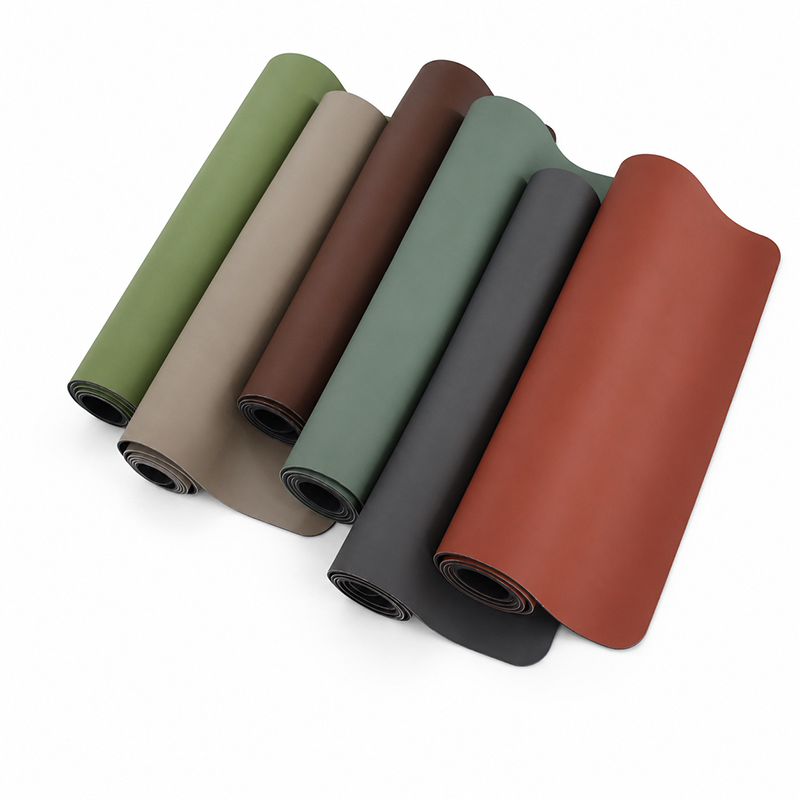
The listed suede yoga mats show a different route. They have suede surfaces, natural-rubber bases, and options for printed art. A game mat factory project can compare this soft surface direction with the table-focused polyester surface. Ask for the material build of the item you choose. A game mat and a yoga mat do not need the same build.
Give Clear Artwork Details
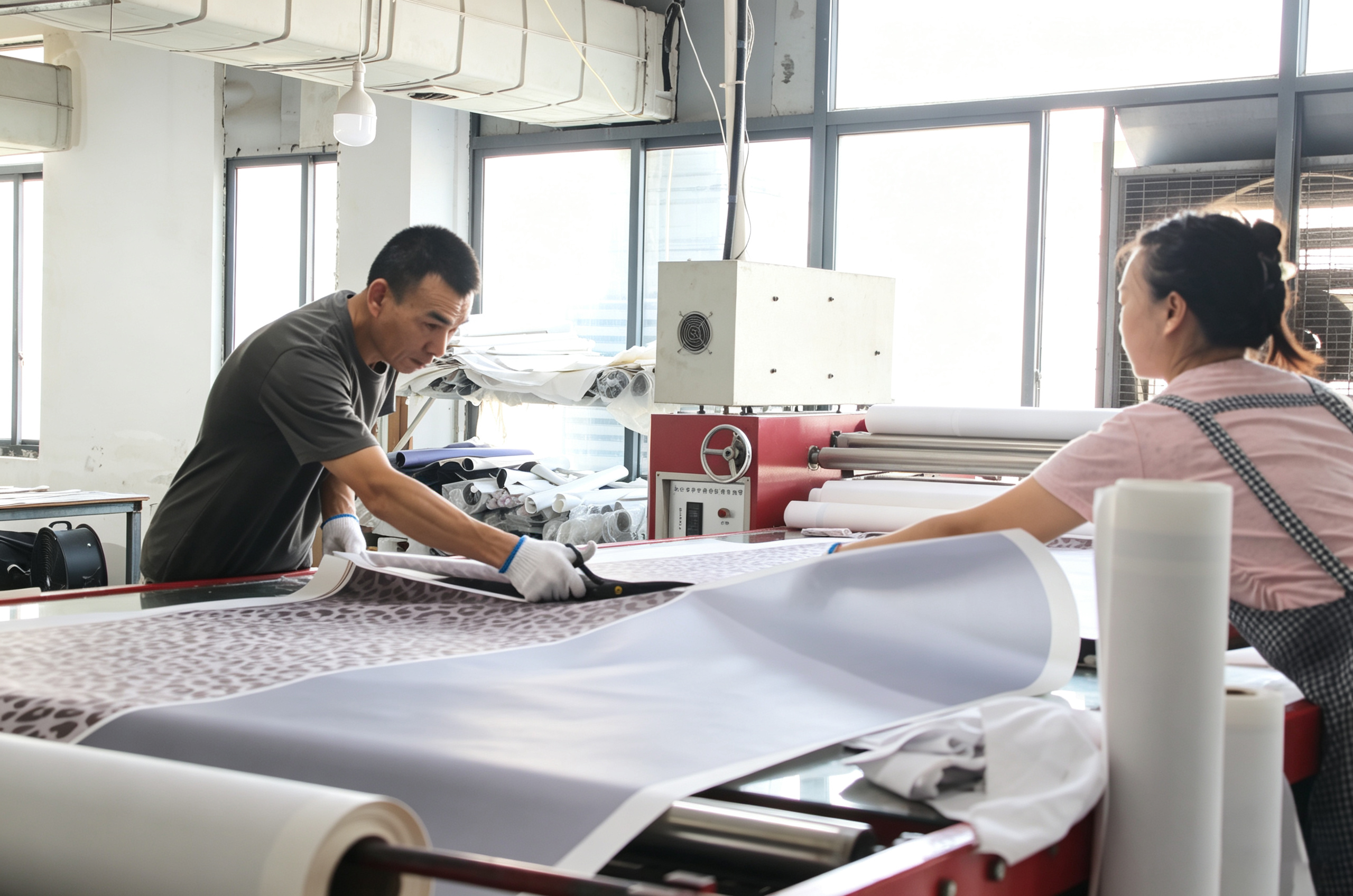
Artwork is more than a sales image. It is a key part of the game mat factory brief. A game mat factory needs the art plan before it can review the print setup. State if print is on one side or two. Mark where the logo goes. Make sure fine lines and words can be read at the final size. The selected mahjong mat lists sublimation print. It also says buyers can provide their own art or logo. Its record lists size, shape, pattern, print side, edge finish, and packing as custom areas.
- Send the art file and list color, layout, and logo needs.
- Mark bleed, safe areas, and the print direction.
- State if the mat should be square, round, shaped, or rectangular.
- Choose bound or unbound edges for the product look.
The selected suede mats list transfer or heat-transfer print. Their records say the final print should follow approved art and a sample. That is a useful step for every game mat factory project. Check the layout at the real product size before the art is locked.
Pick a Format for the Line
A game mat factory may help with more than one shape. A game mat factory can compare the listed options with the buyer's planned line. The selected range shows a square mahjong mat, a shaped suede mat, a round printed suede mat, and a rectangular suede mat. Each can suit a different sales plan. A square table mat can fit a set game space. A round or shaped product can give a themed line a distinct look. A rectangular mat can suit a yoga or floor-use line.
Keep each product brief exact. Name the shape, use, material direction, and need for custom print. Do not move a feature from one item to another without review. For example, the 140 cm round size belongs to the round suede mat. The square sizes belong to the mahjong mat. The game mat factory needs this detail to discuss the right starting item.
Send a Useful Inquiry
Before you ask for a quote, put the key facts in one brief. A game mat factory can use one brief to review the requested mat setup. Include the game or use, size, material choice, art, logo method, edge choice, pack idea, estimated quantity, and target market. If you have final art, state the file type and any changes needed for the mat shape. If the idea is still early, a basic layout can still help.
The inquiry form asks for product needs, logo, quantity, packing, and target market. Use it to ask a game mat factory about the verified mat options on this page. A clear brief helps show if the selected item fits the plan or if a new format should be reviewed.
 EN