 EN

Introduction
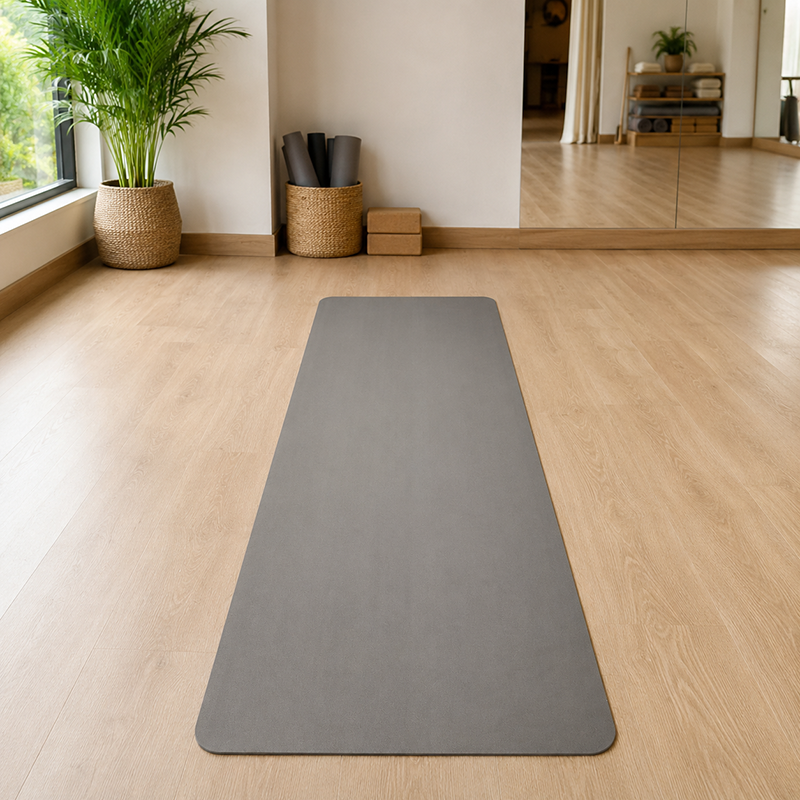
Walk into almost any modern, professional yoga studio today, and you will immediately notice a distinct shift in the gear laid out across the studio floor. While entry-level PVC and basic TPE mats dominated studio inventory in years past, serious studio owners and dedicated practitioners now lean heavily toward the PU yoga mat. Made from a high-performance combination of non-slip polyurethane (PU) top surface and a dense natural rubber base, the PU yoga mat has fundamentally redefined what instructors expect from commercial studio equipment. Studio environments demand an uncompromising balance between immediate tactile grip, sweat management, structural resilience, and absolute safety during rigorous dynamic flows. Understanding why the PU yoga mat has established itself as the Gold Standard in studio-grade gear requires looking closely at real-world friction mechanics, material density under heavy daily traffic, and the long-term value it delivers to professional facility owners.
Unmatched Dry and Wet Traction for Dynamic Practices
The ultimate test for any commercial studio mat comes during high-intensity, sweat-heavy sessions such as Ashtanga, Vinyasa, or Hot Yoga. Standard synthetic mats frequently become slick hazardous surfaces as moisture builds up, forcing practitioners to adjust their stance or lose balance mid-pose. A high-quality PU yoga mat addresses this challenge directly through its open-cell poly-surface structure. Unlike smooth closed-cell alternatives that trap sweat on top of the mat, polyurethane rapidly absorbs surface moisture, maintaining maximum micro-friction even when dripping wet. This persistent tactile grip gives students absolute stability in demanding poses like Downward-Facing Dog (Adho Mukha Svanasana) or complex arm balances. For studio managers, equipping practice rooms with a reliable PU yoga mat minimizes slip-and-fall risks, boosts student confidence, and allows instructors to focus entirely on cueing alignment rather than troubleshooting slippery floors.
Optimal Density and Joint Cushioning for High-Frequency Use
Commercial studio floors host multiple group classes daily, subjecting mats to constant impact, heavy pressure, and relentless weight distribution. A flimsy or overly soft mat bottoms out under pressure, providing insufficient support for knees, wrists, and spine during restorative or grounding sequences. Conversely, a natural rubber base paired with a flexible polyurethane skin gives the PU yoga mat an exceptional balance of firmness and response. Standard studio configurations typically utilize a 4mm to 5mm thickness, offering dense floor protection that absorbs shock without compromising balance during standing tree poses or warrior flows. Because the underlying rubber matrix resists permanent indentation, a PU yoga mat retains its structural rebound over months of continuous class rotation. This heavy-duty structural stability ensures long-term comfort for students of all body weights and experience levels.
Eco-Friendly Engineering and Non-Toxic Studio Safety
Modern fitness enthusiasts and studio clients care deeply about environmental sustainability and healthy indoor air quality. Traditional cheap studio mats made from polyvinyl chloride (PVC) often contain harmful phthalates, heavy chemical plasticizers, and persistent synthetic odors that off-gas in warm studio rooms. In sharp contrast, a premium PU yoga mat pairs biodegradable polyurethane with sustainably harvested natural tree rubber. The manufacturing process eliminates harsh chemical binders, creating an odor-free, non-toxic training surface safe for direct facial contact during child’s pose or savasana. Highlighting the eco-conscious construction of your inventory builds trust with eco-aware practitioners and aligns with modern wellness values. Investing in sustainable PU yoga mat equipment allows studio brands to showcase environmental responsibility while maintaining uncompromising professional standards.
Long-Term Value and Durability for Commercial Operations
From a financial and operational standpoint, equipping a commercial studio requires purchasing gear that stands up to constant daily use without rapid degradation. Cheap foam mats degrade quickly under intense foot traffic, showing surface peeling, edge curling, and loss of grip after just a few months. Although the initial purchase cost of a commercial-grade PU yoga mat is higher than basic foam options, its extended lifespan dramatically lowers the total cost of ownership. The heat-bonded layer structure prevents surface delamination, while tear-resistant surface engineering handles friction from barefoot pivots and toenail contact seamlessly. By reducing replacement frequency and providing a consistently premium practice surface, purchasing a PU yoga mat collection proves to be a smart, revenue-protecting investment for studio owners aimed at retaining members and elevating brand perception.
Proper Maintenance Practices to Preserve Studio Performance
Maintaining peak grip performance across a fleet of PU yoga mat inventory requires straight-forward yet specific care routines. Because open-cell polyurethane readily absorbs liquids, cleaning routines should avoid heavy oils, harsh solvents, or alcohol-based sanitizers, which can breakdown the polyurethane film over time. Instructors and cleaning staff should wipe down each PU yoga mat after daily classes using a diluted mixture of mild soap and warm water applied with a soft microfiber cloth. Allowing mats to air-dry completely before rolling them loosely with the polyurethane side facing outward prevents surface creasing and maintains flawless lay-flat characteristics. Establishing these simple, standardized maintenance steps ensures every PU yoga mat remains sanitary, visually pristine, and exceptionally grippy for every class on the schedule.