Define the Job of the Mat
A noise reducing mat should be chosen for a clear use case. Ask what makes the sound. In a tabletop game, tiles strike a hard table. A noise reducing mat can place a softer layer between the tiles and the table. The selected Mahjong product is the noise reducing mat in this collection with that stated function. It is listed for mahjong, American Mahjong, card games, game rooms, clubs, and community settings. This noise reducing mat is for tabletop play, not a general claim for every mat type.
A yoga mat needs a different review. A buyer may use the term noise reducing mat when they want a mat for a quiet home or studio setting. Yet the suede yoga records do not state the same noise-reducing feature as the Mahjong mat. They describe surface material, natural rubber bases, shapes, printing, and thicknesses. Keep the noise reducing mat claim tied to the selected product record.
Compare the Listed Materials
The Mahjong noise reducing mat uses a polyester surface and a natural rubber base. Its record lists 2 mm as the standard thickness and 3 mm as an option. These details suit a buyer who needs a defined playing surface for a table. The product record also lists square standard formats and custom size options. For this noise reducing mat, use the listed tabletop details when you prepare the request.
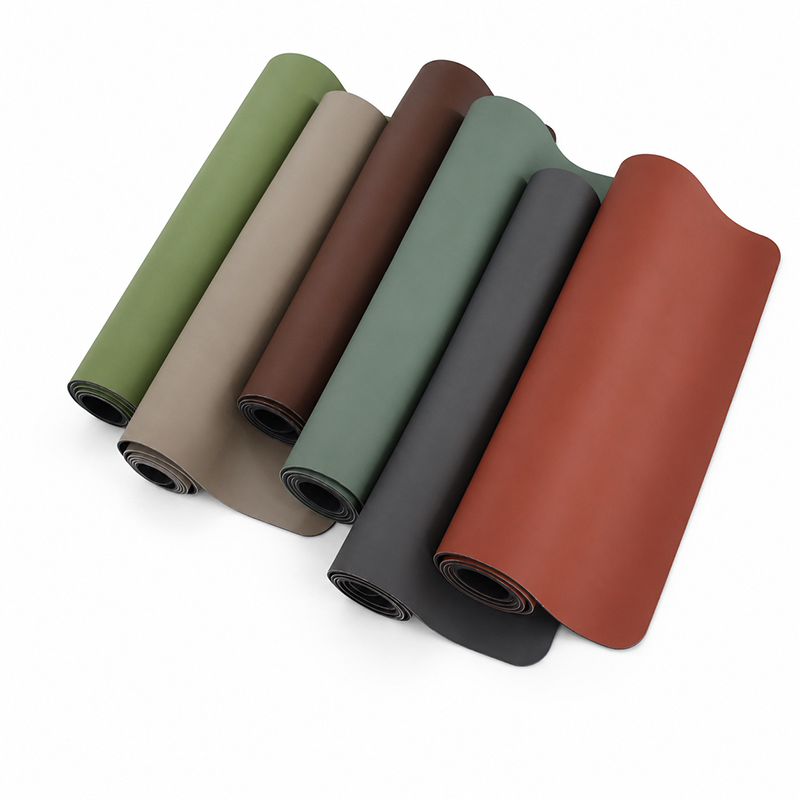
The suede yoga models use a suede surface with a natural rubber base. The rectangular hot-yoga mat lists 1–6 mm thickness options. It also lists 1830 × 610 mm, 1830 × 660 mm, and 1830 × 680 mm sizes. The round mat has a 140 cm diameter and lists 1 mm and 3 mm options. The shaped mat supports custom forms. A noise reducing mat specification should not borrow a yoga mat detail unless it belongs to the exact model.
Choose the Right Format
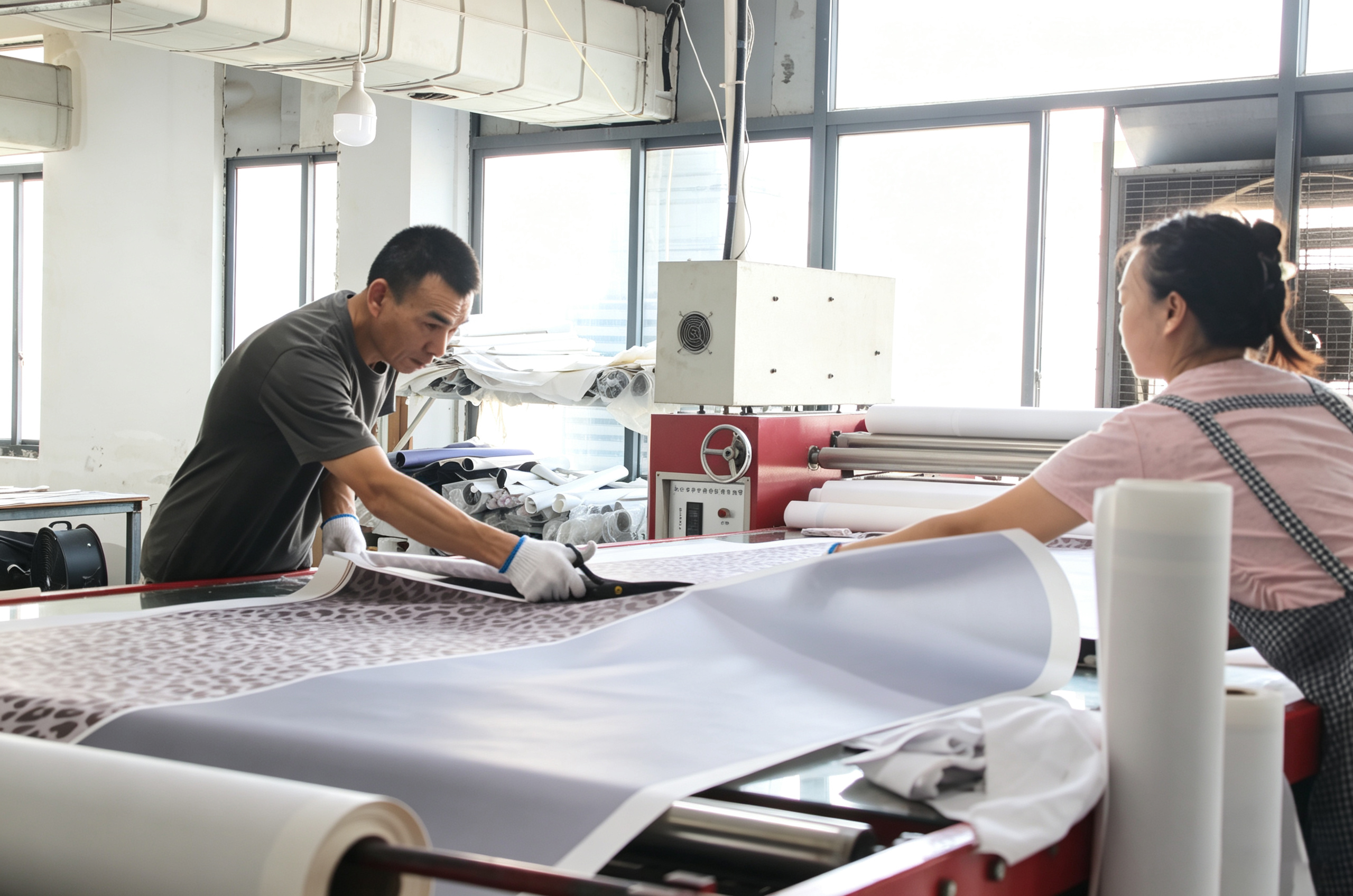
Table size shapes a noise reducing mat project. The Mahjong record lists 60 × 60 cm, 80 × 80 cm, and 83.8 × 83.8 cm square options. It also lists custom sizes and shapes. Buyers can select bound or unbound edges. They can request single-sided or double-sided sublimation printing. Give the usable table area when you ask for a noise reducing mat quote.
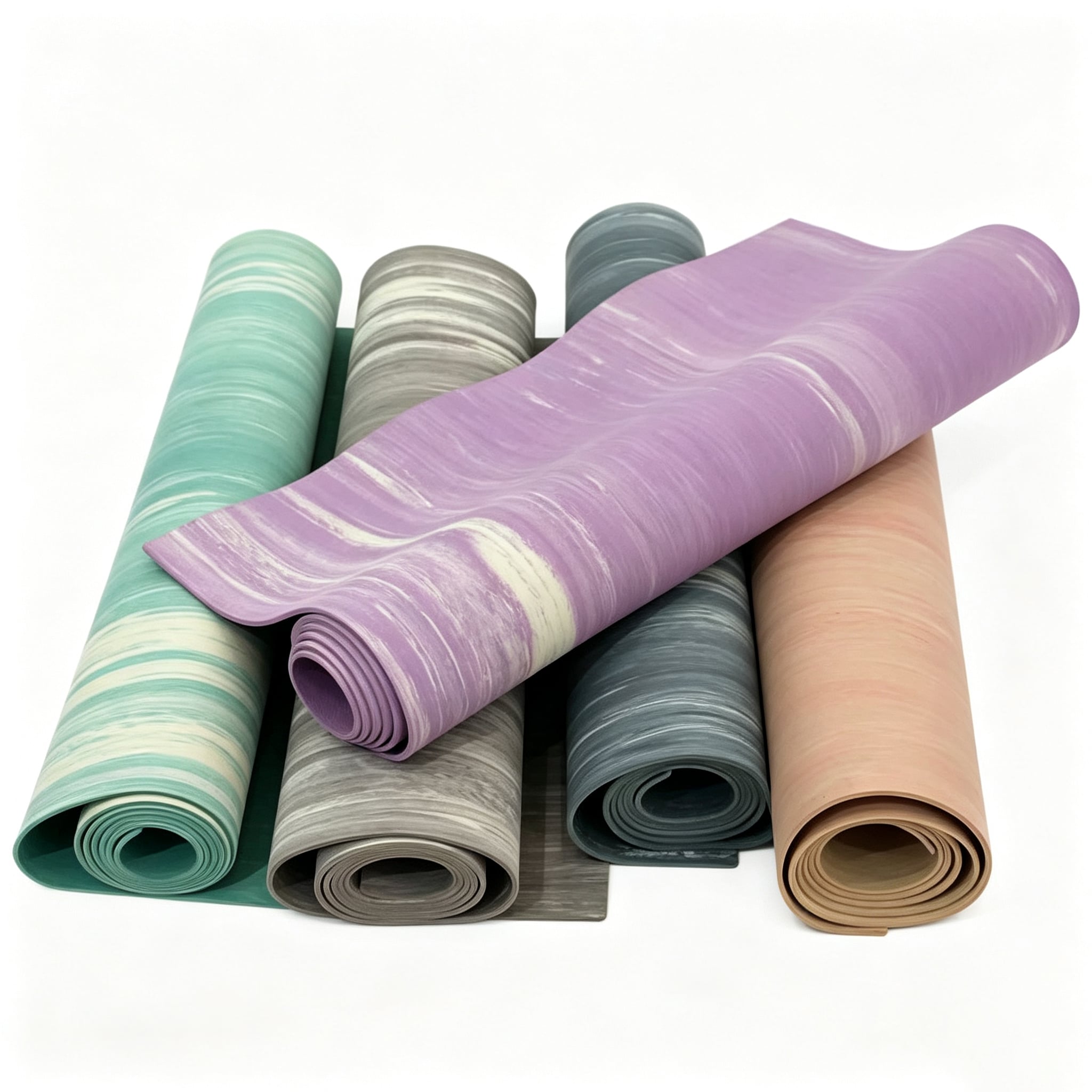
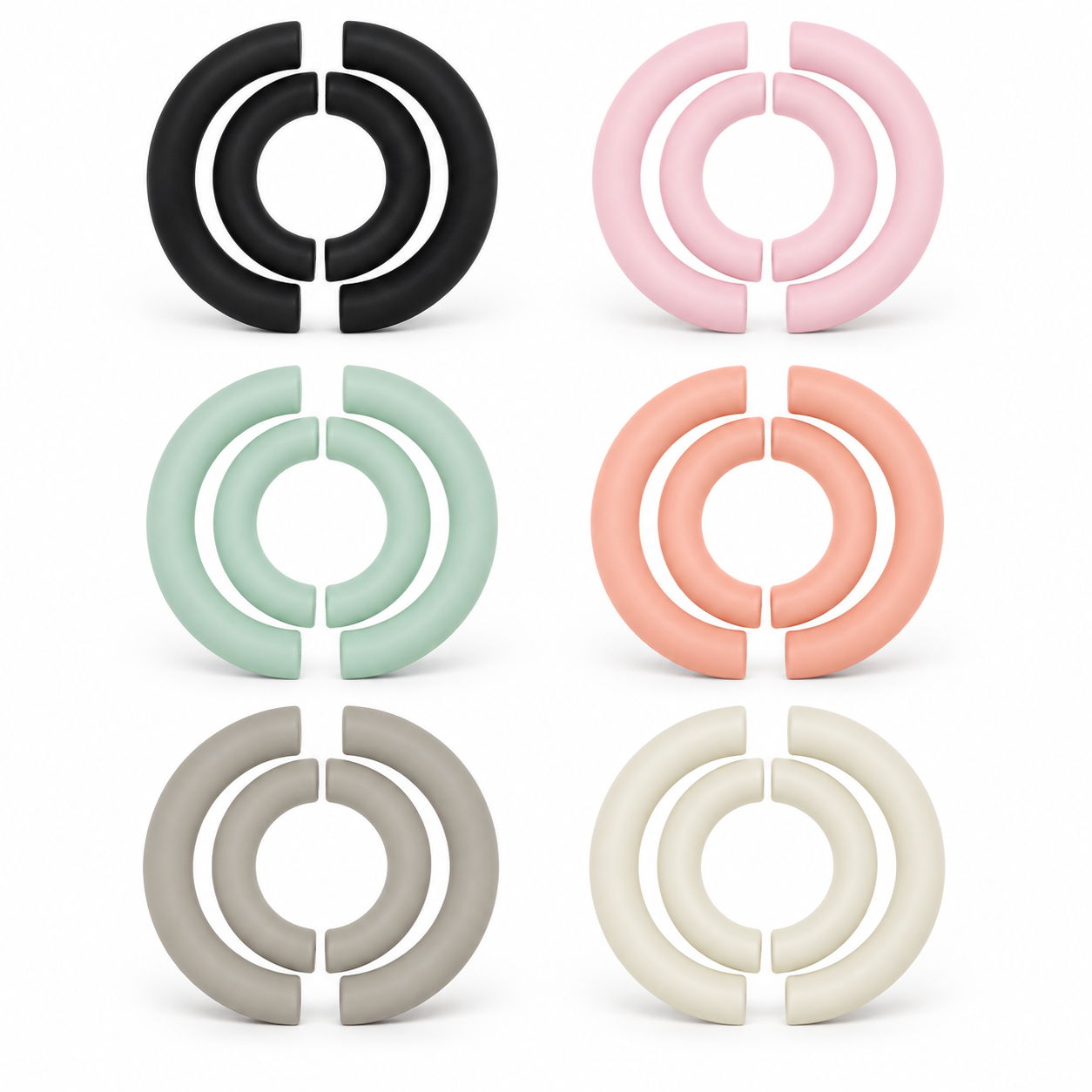
Yoga formats work in another way. A round suede mat needs artwork that fits a circle. Consider the center, edge bleed, direction, and pattern scale. A shaped suede mat also needs a layout that suits its outline. A rectangular yoga mat may be the simplest choice for a standard practice line. Each noise reducing mat request should state whether it is for a tabletop, a floor, or a branded wellness collection.
Prepare a Clear Custom Request
A good request helps the supplier review the noise reducing mat project. Start with the selected product. Then give the setting and the desired size. Add thickness, shape, artwork, logo position, and packaging needs. If the product offers edge options, state your preference. Add your target market and planned quantity. This lets the team discuss the actual noise reducing mat configuration rather than make broad assumptions.
- State whether the noise reducing mat is for tabletop play or another use.
- Name the product record and list the required size and thickness.
- Send artwork and describe the pattern, logo, and print side.
- Explain the needed edge treatment and packaging plan.
- Share the target market and estimated order quantity.
The Mahjong mat lists size, shape, pattern, logo, printing side, edge finishing, and packaging customization. The suede models list combinations of size, thickness, pattern, logo, and packaging options. Final choices depend on the selected model and confirmed artwork. A noise reducing mat order should use only the details for its selected model.
Check a Sample and Care Plan
A sample can help with a noise reducing mat decision. For a tabletop product, check the size, printed pattern, edge option, and feel on the intended table. For a yoga product, check the surface, base, print placement, and thickness. Use the approved sample and written specification for later noise reducing mat order talks.
The rectangular suede yoga record advises gentle cleaning with a dry soft brush. For local marks, it allows a lightly damp soft cloth followed by air drying. It advises against soaking, machine washing, high heat, and long sun exposure. Care text should follow the selected record. Describe a noise reducing mat benefit only where the documentation supports it.
 EN